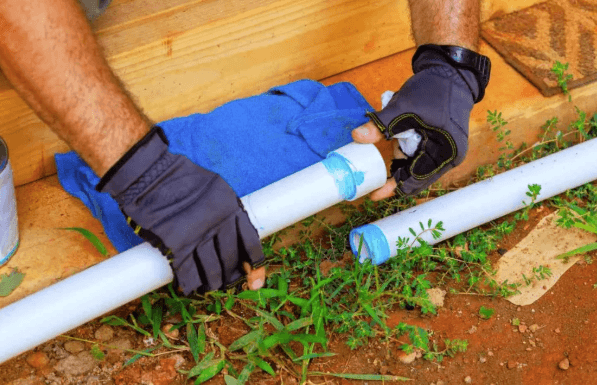
Drain-system repair requires a methodical assessment of flow patterns and fixture-specific symptoms. Start with diagnosing common problems such as slow drainage, gurgling, or odors, then map failure points to traps, vents, and joints. Proceed with safe DIY steps for clogs—mechanical augers and appropriate detergents—while recognizing limits and documenting findings. When issues escalate or risks arise, a licensed plumber should be engaged, with clear workflows and warranties guiding the next steps. The next phase hinges on what is found and how it’s addressed.
Diagnose Common Drain Problems Quickly
Drain problems typically manifest as slow draining, unusual gurgling, or frequent backups. The analysis proceeds with a structured inspection: identify fast-moving indicators, differentiate water flow patterns, and catalog fixture-specific symptoms.
Quick fixes are considered within scope, yet emphasis remains on professional evaluation and leak detection when abnormal pressures or concealed risks appear. Accurate documentation supports reliable drain clogs assessment.
DIY Fixes for Clogs and Slow Drains
Before moving from identifying and diagnosing common drain problems, this section outlines practical, do-it-yourself approaches for addressing clogs and slow drainage.
Practitioners assess flow with cautious inspection, then apply calibrated methods: mechanical augers, controlled chemical alternatives, and accountable detergent alternatives where suitable.
Consider pipe sizing and material, ensuring compatible tools and stepwise clearance, reducing residue buildup while preserving system integrity.
Odors, Leaks, and Maintenance to Keep Drains Clear
Odors, leaks, and routine maintenance are critical components of keeping drainage systems functional and sanitary.
An objective review identifies odor sources by analyzing trap seals and venting issues, distinguishing biological from chemical origins.
Pipe maintenance procedures address corrosion, mineral buildup, and joint integrity, while venting checks prevent pressure variation.
Documentation, testing, and periodic replacement support consistent, reliable drainage performance.
See also: The Rise of Autonomous Systems in Everyday Life
When to Call a Plumber and How to Choose One
Determining when to call a plumber and how to select one hinges on diagnosing failure indicators, assessing risk, and evaluating available expertise. The decision process emphasizes objective assessment, defined clearance timing, and documented thresholds for escalation.
Plumber selection follows criteria such as licensing, warranty terms, response speed, diagnostic approach, and proven methodical workflows to minimize disruption and ensure durable, compliant drain-system repairs.
Conclusion
In sum, drain-system repair demands a disciplined, methodical approach: diagnose symptoms, verify flow patterns, and apply targeted fixes with appropriate tools and detergents. Carve out a disciplined workflow—from trap, vent, and joint checks to clear documentation and odor monitoring. Maintain records of repairs and warranties, and escalate when risks or complexity exceed DIY scope. A licensed plumber should be engaged for escalating failures; precision and timeliness are not optional, they’re hyperbolic foundations of lasting, compliant drainage performance.